Community Based Dialogues

Community Based Dialogues
(CBD) Program

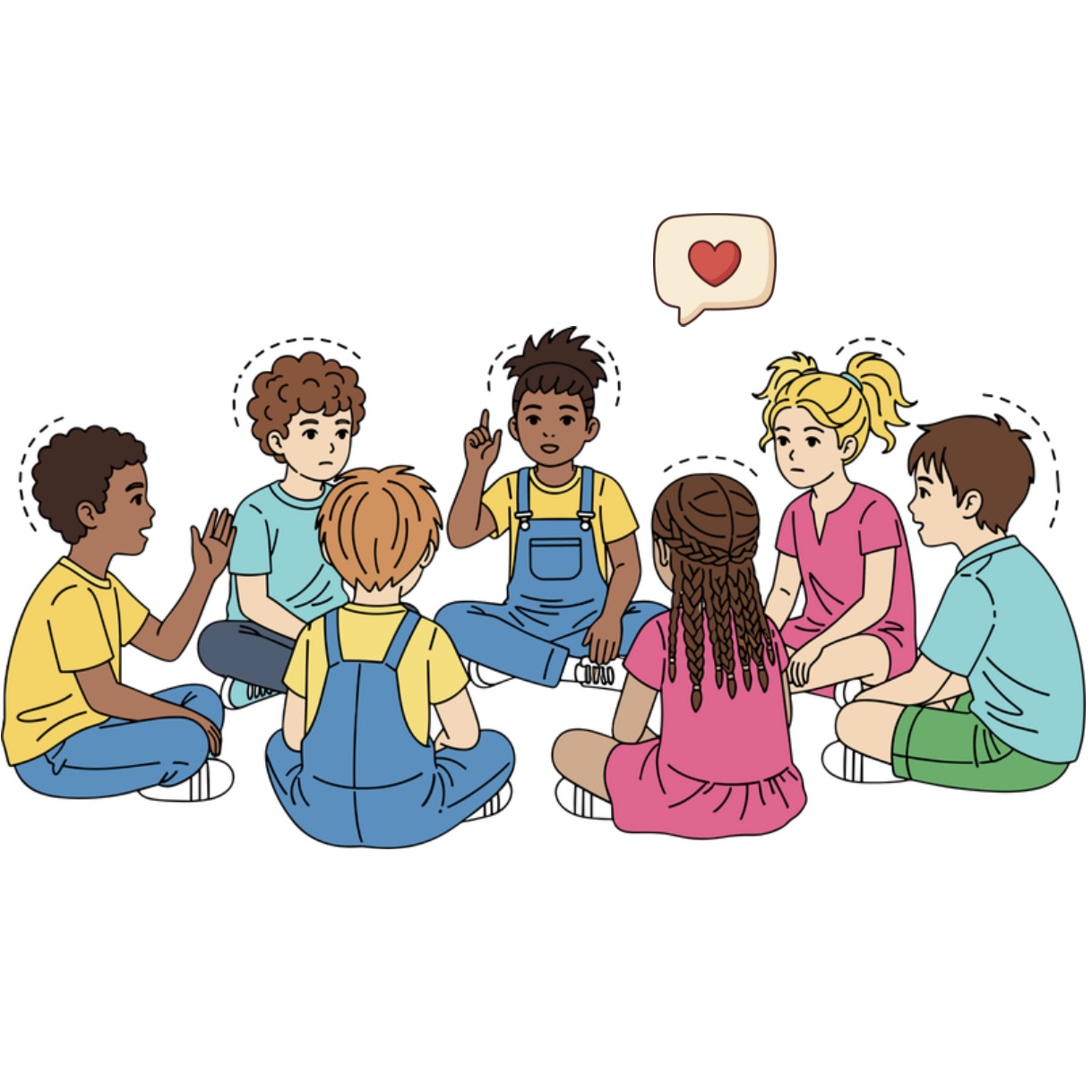
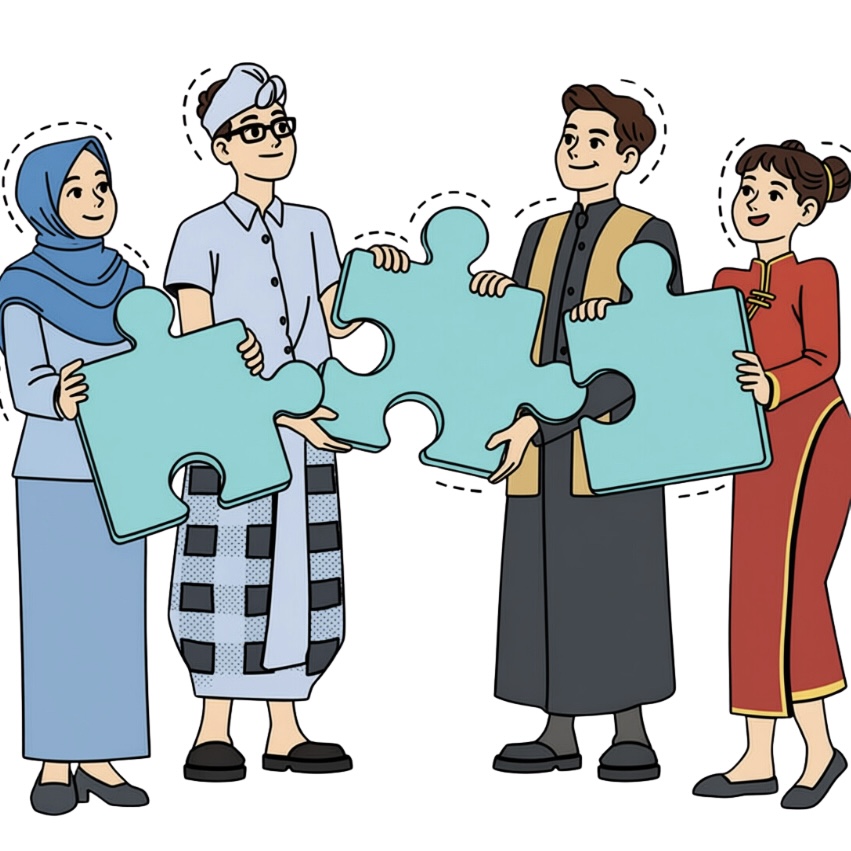
Youth for Peace International’s Community-Based Dialogue (CBD) program brings together young people across religious, gender and regional divides to talk about their lived experiences about identity-based conflict and co-create pathways for peaceful co-existence in their own communities.

Explore more in
Ground Action

PPE Kit for Emotions

Why Community-Based Dialogue

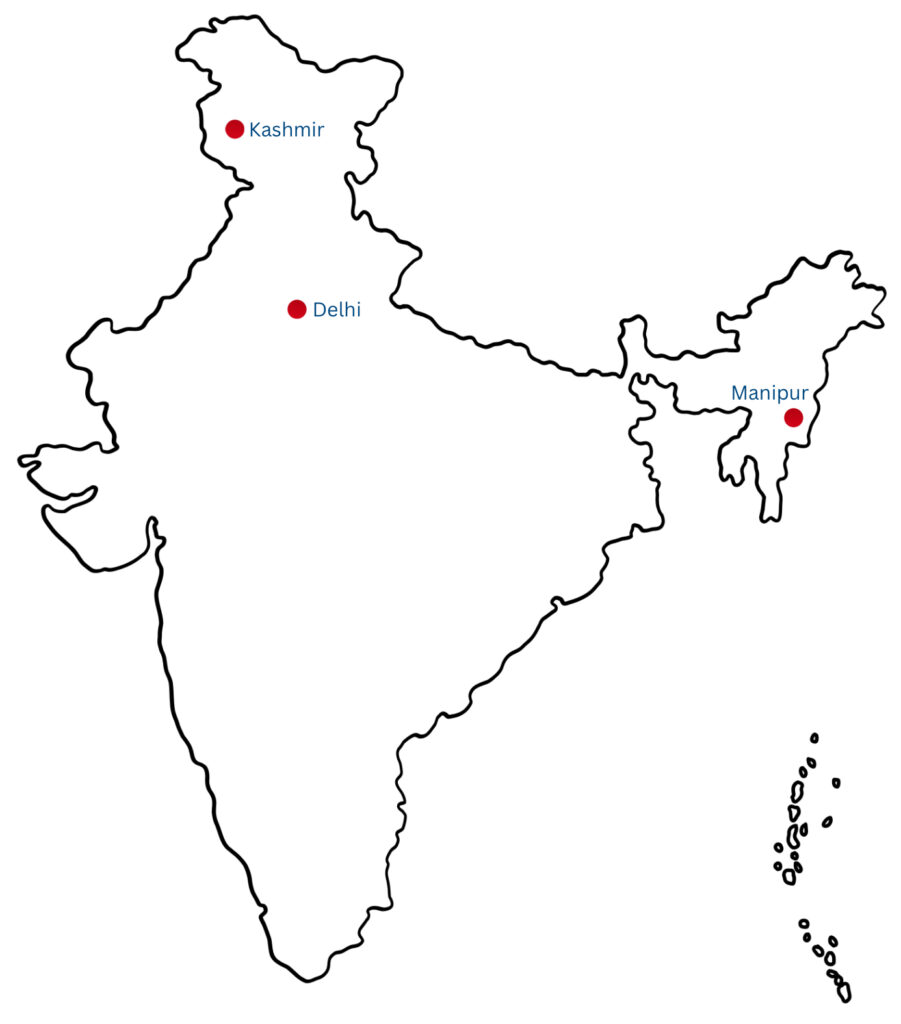
Across India, young people are growing up amidst rising hate speech, communal polarization and gender-based violence, often with very few safe spaces to ask questions or challenge stereotypes they have inherited. In contexts like Kashmir, Delhi and Manipur, this polarization can quickly translate into fear, mistrust and even violence between communities.​

Our approach shows that when carefully designed, face-to-face contact between divided groups can help challenge stereotypes, reveal common ground and humanize “the other,” which in turn reduces prejudice and supports more cooperative relationships. In contrast to negotiation or mediation, the primary goal of dialogue is not to reach an immediate agreement, but to build mutual understanding, trust and relationships that can underpin more sustainable peace efforts.

This approach is particularly suited to local conflicts where community members live side by side but feel excluded from formal peace processes, or where top-down initiatives have not shifted everyday attitudes. By engaging youth, women and other underrepresented actors as conveners and participants, community-based dialogue helps broaden ownership of peacebuilding and strengthens the social fabric from the bottom up.

Where We Work: Kashmir, Delhi, Manipur

Our CBD program has been implemented with youth from diverse religious and gender identities in Kashmir, Delhi and Manipur, each facing its own history of conflict, marginalization and everyday discrimination. In each location, we work with local partners to mobilize youth community leaders, young women, LGBTQIA+ youth, youth with disabilities and youth from economically weaker sections who are directly affected by religious-based and gender-based violence.​


Across these settings, CBD circles offer a consistent, safe structure for participants to reflect on their own beliefs and biases while building trust with peers from “the other side” whom they rarely get to meet in a humanizing way.

Our Approach & Methodology

Foundational Training

Participants are introduced to nonviolent communication, learning to recognise needs and emotions and to express themselves constructively without blame or aggression.

Gender, Power & Privilege

Sessions explore how gender and other markers of privilege—such as caste, class, education, geography, ability and age—shape access to power and influence within communities.

Identity & Story-sharing

Youth reflect on their multiple identities, including faith and cultural backgrounds, and explore how these shape their beliefs, relationships and sense of belonging.

From Incident to Insight to Action

Participants analyse real-life incidents of communal and gender-based violence, recognise their feelings and needs, and identify practical, context-specific steps they can take to promote dignity and safety.

Tackling Bias & Stereotypes

Guided dialogue creates space to examine common stereotypes, understand their roots, and reflect on how they are reinforced or challenged in everyday life.

Reflection & Commitment

Each cycle concludes with structured reflection, encouraging participants to articulate key learnings and personal commitments to sustained, positive change.

Interfaith & Inter-Community Dialogue

Participants engage in facilitated conversations about religion, misconceptions and fears, in spaces centred on safety, empathy and mutual respect.

Who Participates

CBD circles typically bring together small, carefully balanced groups of youth to enable depth and safety. A standard cohort includes:​

  • Youth aged roughly 18–30 years
  • Participants from different religious identities 
  • Young women, gender non-conforming and LGBTQIA+ youth, youth with disabilities, and youth from economically weaker and rural communities
  • Youth community leaders from local youth-focused or youth-led organizations who can carry learning back into their networks.​

This intentional mix allows participants to both recognize their own privilege and marginalization, and to practice standing up for others’ identities in everyday situations.

What Changes Through CBD

Across dialogue cycles, we look for and have documented shifts such as:​

  • Increased ability to talk about identity-based conflict in a nonviolent way, including using NVC language rather than accusatory or inflammatory terms.
  • Reflections on stereotypes and prejudices participants held previously, and concrete examples of how these have been questioned or softened through listening to others’ stories.
  • Greater appreciation for the diverse life experiences of individuals and groups different from oneself, often expressed in participants’ letters to self and closing reflections.
  • A stated willingness to build collaborations and connections that promote religious harmony and gender sensitivity in participants’ personal and social capacities.​

Partner with Us

YfPI is seeking partners who believe that young people are central to transforming religious and

gender-based conflict in their communities. Donors, foundations, faith-based institutions, youth

networks and community-based organizations can partner with us and take this methodology forward. You can reach out to us for more information.