-
info@yfpinetwork.org
With particular focus on India, Bangladesh, Pakistan, and Sri Lanka, the 30-month programme funded by the EU was launched in March 2020. We implemented the project with a consortium of partners: Finn Church Aid/Network for Religious and Traditional Peacemakers, Youth Development Foundation, Sri Lanka Unites, Rural Development Society, and Centre for Communication and Development. Combined, the consortium carries 100+ years of experience in youth-driven peacebuilding and capacity development.
Over the past decade, the involvement of some young people in violence and extremist groups has led some to paint youth generally as a threat, but research shows that actively violent youth are a minority and that youth play valuable roles as agents of positive change. ALLY responds to the needs of South Asian youth in leading constructive change, as well as amplifying their influence on decision-makers in addressing violence and extremist narratives.
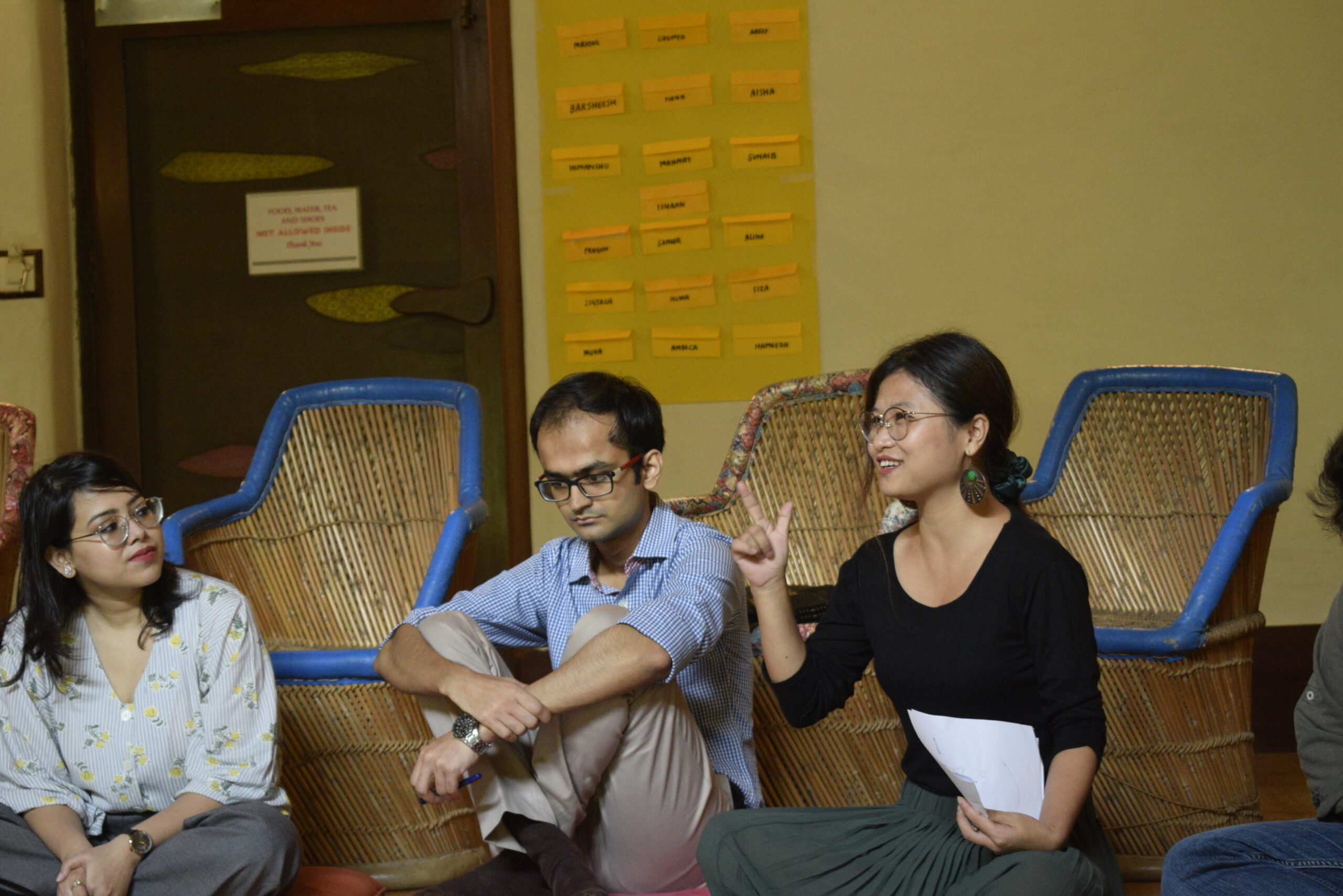
Through a participatory action research (PAR) approach, a team of 8 young ALLY researchers engaged 69 young peacebuilders from Bangladesh, India, Pakistan, and Sri Lanka. This unique peer-to-peer approach leverages the rich experience and knowledge of young peacebuilders, who are experts in the conflict dynamics in which they live. Also central to PAR is the process of empowering and amplifying those leading the research. The PAR approach is ideal for the ALLY programme, which is pinned on the value of local leadership.
Through the ALLY fellowship, 60 young people engaged in regional and national capacity development training programmes on preventing violent extremism (PVE), both online and in-person. The goals were to strengthen capacities of youth-led initiatives in South Asia, promote a culture of peace, and increase the visibility of positive approaches to PVE narratives. Acting as ‘multipliers’, the fellows created 12 social action plans to PVE, train local peacebuilders, and implement national and regional advocacy campaigns for religious and ethnic minorities.
ALLY advocacy efforts are built on the strong evidence base of youth-led efforts in PVE, developed by the ALLY researchers. Leveraging the ALLY publications and policy recommendations, the ALLY fellows launched a range of advocacy campaigns, as well as conducted 2 key advocacy missions: to the SAARC (South Asian Association for Regional Cooperation) Secretariat in Nepal and the ALLY dissemination event in Thailand. With enhanced competencies and strategic planning, ALLY fellows are continuing their advocacy outreach to different national and regional stakeholders.
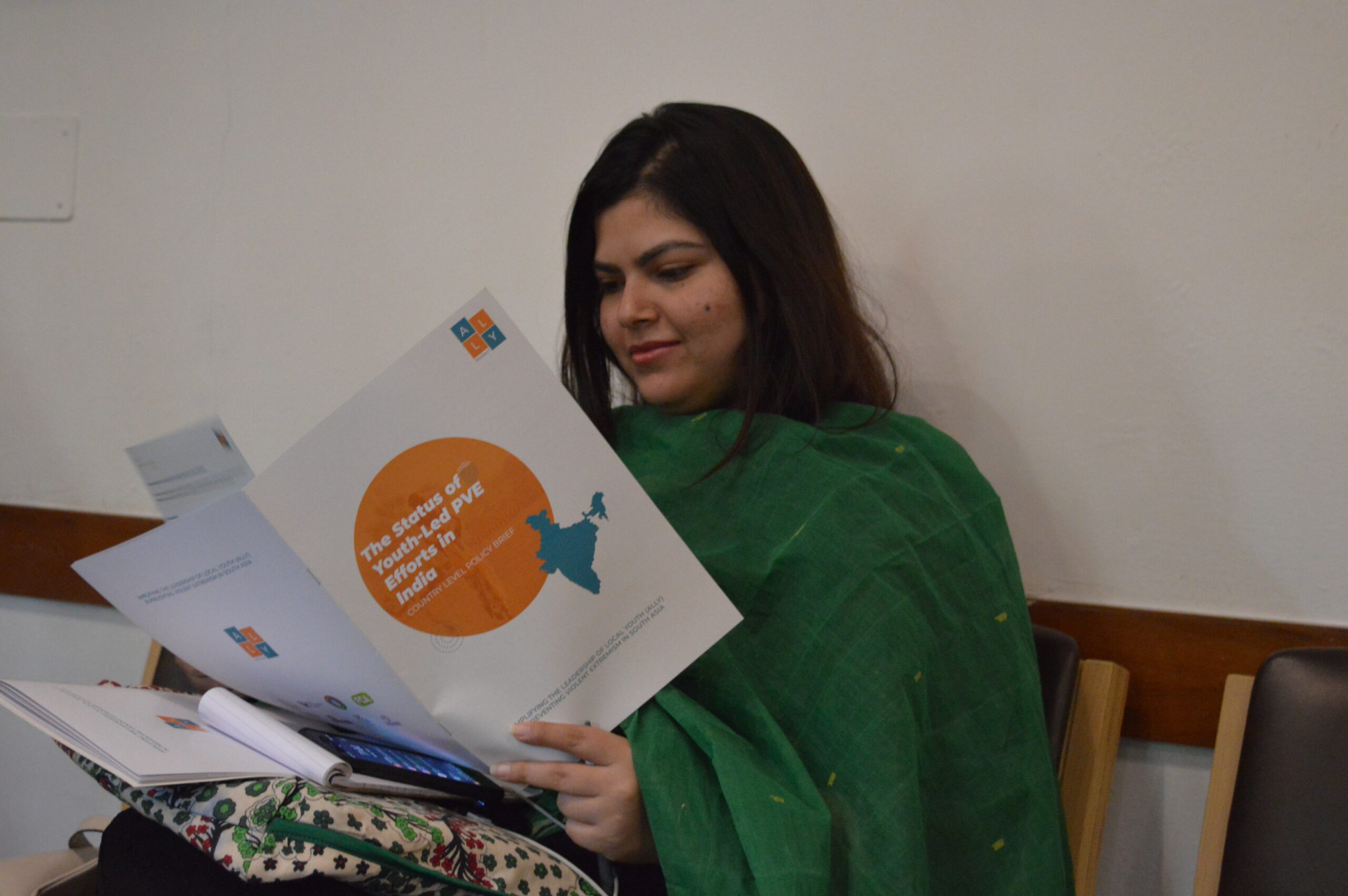
The briefs on Preventing Violent Extremism (PVE) provide concise reviews of findings and policy recommendations related to strengthening the youth peace building sector in South Asia and specific countries as a mechanism for enhancing and broadening PVE activities throughout the region. First, they introduce the concepts related to violent extremism in specific contexts. Second, they explain the Participatory Action Research approach used in the base study, particularly its crucial role in illustrating the present contexts through the perspectives of peace builders. Third, it explores the key level findings.
The reader will learn the push and pull factors to violent extremism, and on the other hand, the previous and current initiatives to prevent violent extremism in each context. Together, these factors provide a comprehensive picture of the peace building work in South Asia and each country, and what can be done to improve and support this work. Finally, this brief concludes with recommendations that were informed by the discoveries presented here.
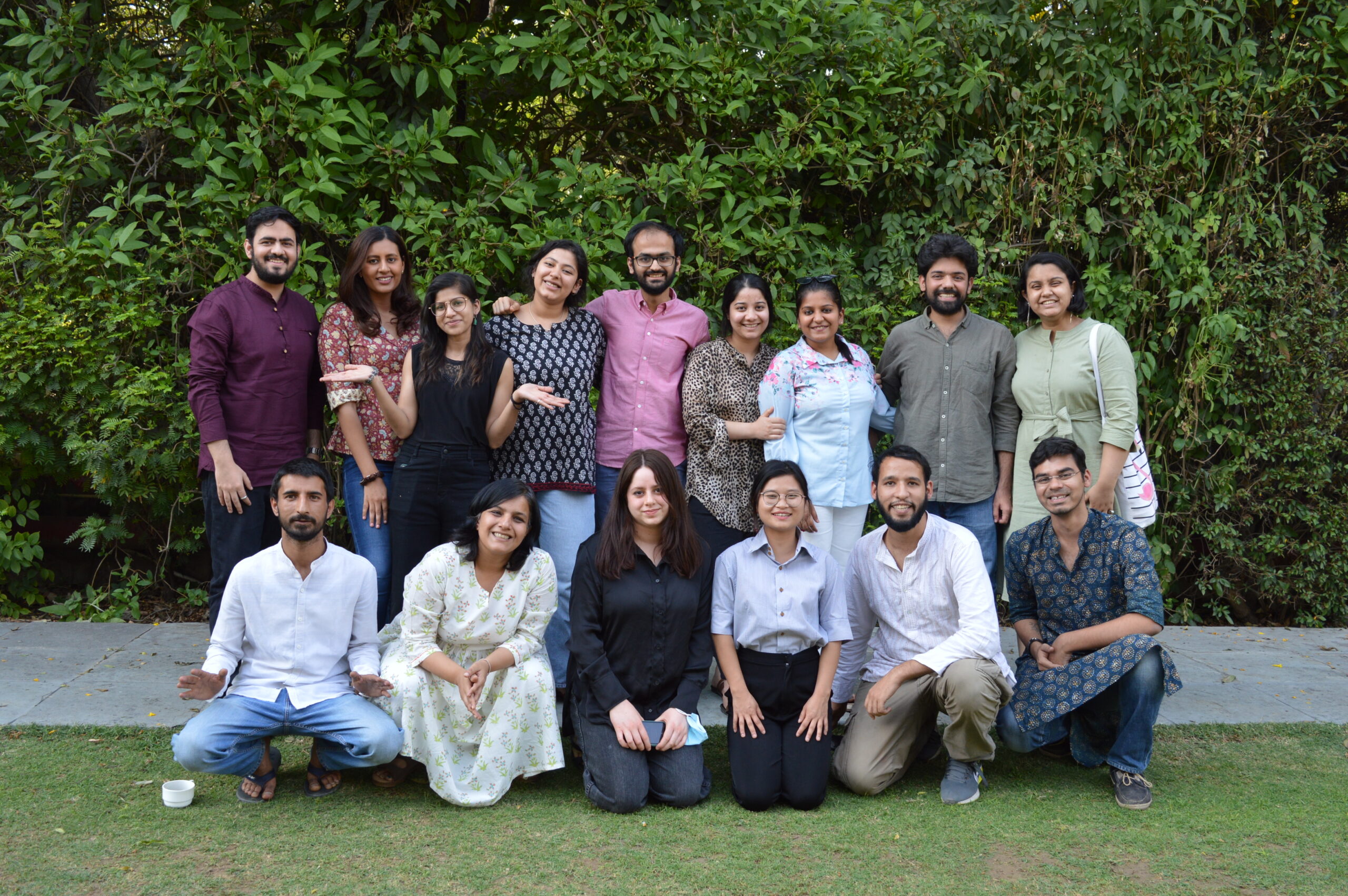
Led by Program Coordinator Mridul Upadhyay, the analysis report on PVE in South Asia was researched and written by the eight young ALLY researchers (two from each of the four research countries) – Kaush Weerakoon, Sameer Yadav, Shafaq Sarfraz, M. Rezwanur Rahman, Sumaiya Tanim, Janith Perera, Muhammad Salal, and Ritu Jain – together with the Lead Researcher, Felix Bivens, who facilitated and supervised the entire research journey. Through a participatory action research approach, the ALLY researchers engaged 69 active young peace builders, all under the age of 30, from Bangladesh, India, Pakistan, and Sri Lanka. This unique peer-to-peer approach leverages the rich experience and knowledge of young peace builders, who are experts in the conflict dynamics in which they live. Felix trained the ALLY researchers – who conducted the data collection and analysis, and authored the research paper at various stages of the process – to produce this comprehensive evidence base on youth-led peace building in South Asia.
“This is the first sub-regional study on this topic. We keep seeing issues about youth being studied by non-youth researchers, or youth being engaged in studies only as data collectors. But if we want to study the motivations, challenges and barriers of youth, engaging in transforming violent extremism narratives, there is a lot of merit in young peacebuilders discussing these with their peers [other young peacebuilders]. For these reasons, the ALLY research programme adopted a youth participatory action research approach, and listening-and-learning methodology.”
– Mridul Upadhyay, ALLY Programme Coordinator and UNOY Regional Coordinator in Asia
Violent extremism (VE) threatens the security and fundamental rights of peaceful living. Youth are essential actors in contributing to preventing violent extremism (PVE) and peacebuilding work. Youth are not only highly affected by VE, but they also play an important role as positive change agents. The way youth resilience manifests is very much dependent on social, political, and economic factors. ALLY intends to amplify young people’s constructive voices and agency in addressing diverse factors of violent extremist narratives in South Asia. The recommendations herein were produced by the ALLY youth researchers through eight months long participatory research with multiple stakeholders, and with further contributions from ALLY staff and fellows, and do not necessarily reflect the views of the EU.
Through the European Union-funded ALLY project’s fellowship program, 60 youth participated in regional and national PVE capacity-building trainings, both online and in-person, in 2021. The fellows engaged in 12 Social Action Plans in 2021 and early 2022 to prevent violent extremism, train local peacebuilders and implement national and regional advocacy campaigns for religious and ethnic minorities. Beginning in April 2022, ALLY supported a further 12 Social Action Plans while advocating for local, national, and regional support for youth peacebuilders working to prevent violent extremism. Together, these initiatives highlight the power of youth-led action in fostering peace, inclusion, and resilient communities.