-
info@yfpinetwork.org


Youth4Peace Mindfulness Program
A trauma‑sensitive mindfulness journey to support young peacebuilders’ mental health, resilience, and reconciliation work across South Asia. A space where young peacebuilders come together to pause, breathe, and co‑create trauma‑sensitive mindfulness practices for themselves and their communities.
Why this program?
Across South Asia, young peacebuilders work in communities affected by war, displacement, hate speech, discrimination, and everyday violence. They often face chronic stress, anxiety, burnout, and shrinking civic spaces, yet rarely receive dedicated mental health and self‑care support.
Mindfulness, when adapted with a trauma‑sensitive lens, can become a powerful resource for inner resilience, emotional regulation, and compassionate action. This program was created to explore how mindfulness can genuinely support youth working in fragile contexts—and how to practice it in ways that are safe, context‑aware, and rooted in peacebuilding realities.
What is the Youth4Peace Mindfulness program?
The Youth4Peace Mindfulness initiative is a regional program that brings together young peacebuilders and mindfulness practitioners to co‑design and experience trauma‑ and context‑sensitive mindfulness for peacebuilding and reconciliation.
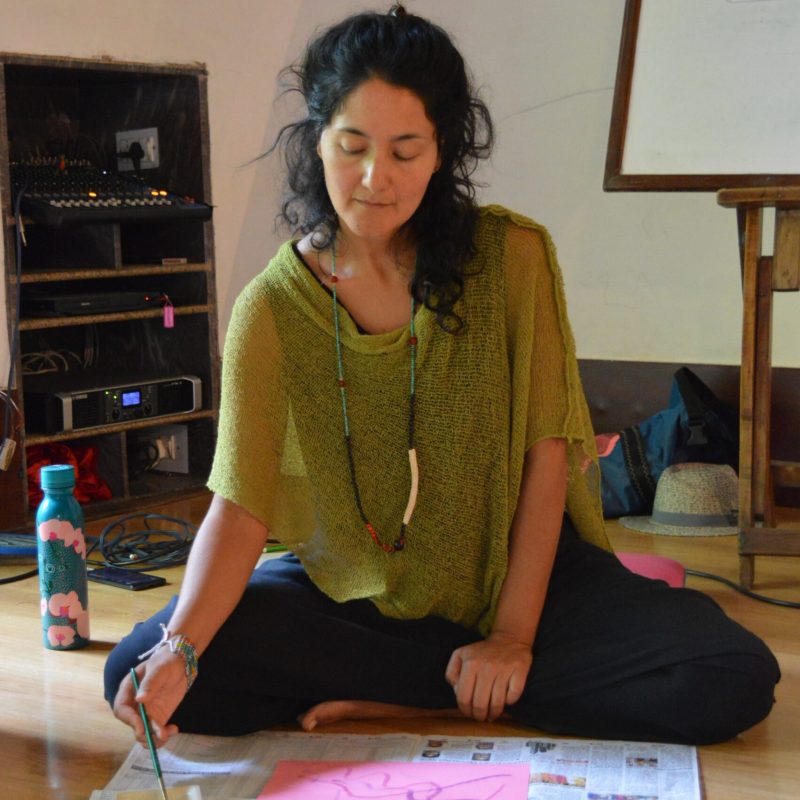
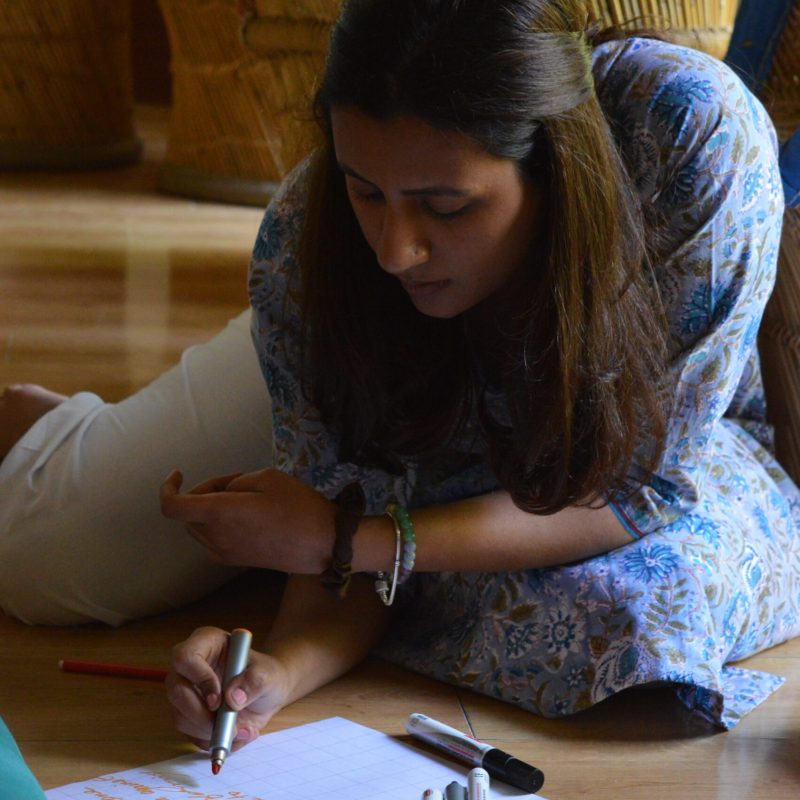
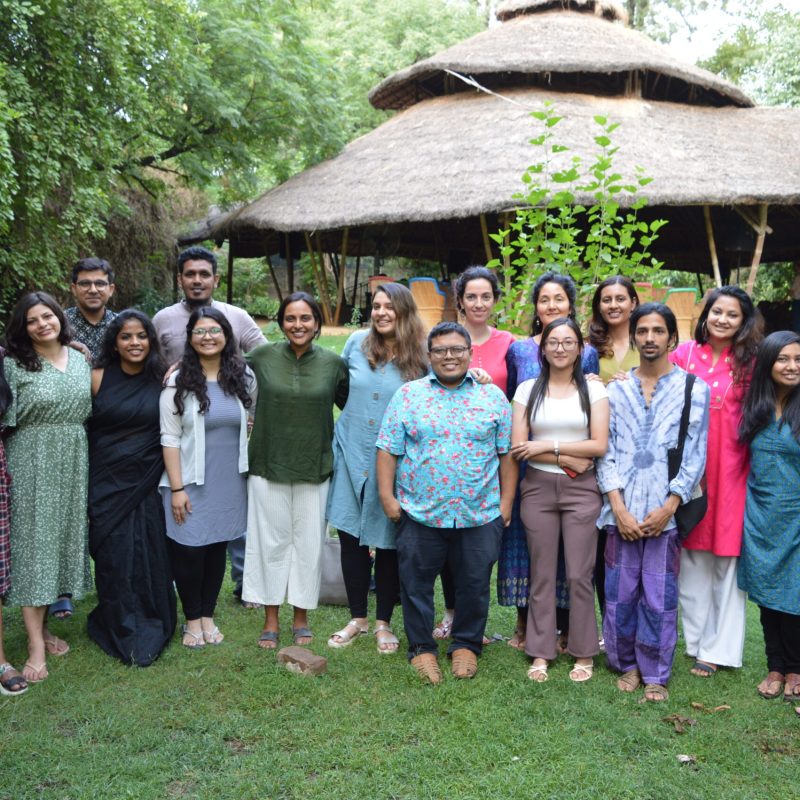
It began as a Mind & Life Institute supported Think/Being‑Tank in India, convening young peacebuilders from India, Sri Lanka, Bangladesh and Nepal, alongside international mindfulness experts. Over three days, participants practiced, questioned, and reshaped mindfulness so it could better serve youth working on the frontlines of conflict, displacement, human rights, and social justice.
Core questions we hold:
- How can mindfulness support young people working in overwhelming and fragile contexts?
- What does trauma‑sensitive mindfulness look and feel like in South Asian realities?
- How can self‑care, inner work, and community care become integral to youth peacebuilding?
Who is it for?
This program is designed for young peacebuilders who:
- Work with communities affected by conflict, displacement, discrimination, or violence.
- Hold roles as activists, facilitators, social workers, educators, community organizers, or youth leaders.
- Are looking for practical, grounded mindfulness tools that honour trauma, identity, culture, and power.
- Want to build solidarity and a sense of “not being a lone warrior” in their peace work.
Our approach to mindfulness
Trauma‑sensitive
It recognises hyper‑ and hypo‑arousal, the “window of tolerance”, and the risks of retraumatisation if practices are not adapted.
Embodied
It centres the body—breath, posture, sensations—as a possible place of safety and grounding, rather than escape.
Context‑aware
It connects inner work with outer realities of structural and cultural violence, shrinking civic spaces, and intersectional identities.
Youth‑centred
It starts from young people’s lived experiences, questions, and wisdom, not from expert prescriptions alone.
Key outcomes so far
From the Being‑Tank and ongoing collaboration, the program has led to:
- A practical mindfulness toolkit for young peacebuilders
“Mindfulness for Young Peacebuilders” compiles definitions, reflections, research insights, and step‑by‑step practices that young people can adapt into daily life and community work. - A strengthened regional community of practice
Young peacebuilders from four South Asian countries built relationships and solidarity around mental health, self‑care, and trauma‑sensitive practice. - Deeper understanding of youth needs
Participants articulated common challenges—burnout, isolation, fear, insecurity—and co‑explored how mindfulness can support resilience without bypassing pain or politics. - Future pathways
Plans include regional awareness‑raising campaigns, online group practice sessions, and further adaptation and dissemination of the handbook.
Mindfulness for Young Peacebuilders – Toolkit
This toolkit offers:
- Accessible explanations of what mindfulness is—and is not—for youth peacebuilders.
- A trauma‑sensitive lens, including the window of tolerance, hyper/hypo‑arousal, and when to seek other forms of support.
- Formal, informal, and applied practices you can weave into daily life (breathing, body scans, mindful movement, mindful eating, listening, nature connection and more).
- Reflections on compassion, empathy, and community care rooted in neuroscience and contemplative traditions.
You can use it for your own practice, adapt exercises for workshops, or share it freely with other young peacebuilders and caregivers.
Download the Mindfulness Toolkit (PDF)